

Sports LED Display

What is Stadium LED Display?

Stadium LED displays are large-scale electronic display systems mainly used to show text, images, videos and other information in sports venues. They have become an indispensable standard configuration in modern sports venues, not only providing game information, but also serving as important tools for creating on-site atmosphere, conducting commercial advertising and enabling entertainment interactions.


Sports LED displays have evolved from simple scoreboards into comprehensive visual hubs that integrate information dissemination, entertainment interaction, and commercial advertising. To select the right LED display, factors such as installation location, audience viewing distance, budget, as well as the supplier's technical capabilities and after-sales service must be comprehensively considered. This ensures long-term stable operation and maximizes value for both the venue and the audience.

Staidum LED Display Type And Installation Location

Center bucket LED screen, End screen/two-sided screen, Ring screen/inner ring screen,Scoreboard display screen

Central bucket-shaped screen

Location: Suspended above the center of the stadium, facing the field.

Characteristic: It is usually displayed in a four sided or circular manner, ensuring that viewers from all angles of the stand can see it. It is the most central and prominent display screen in the stadium, used to play real-time game footage, slow motion replay, scores, player information, and more.

Requirements: High resolution, high refresh rate, wide viewing angle, able to withstand certain shaking.

Ring Stadium LED Screen/Inner Ring Screens

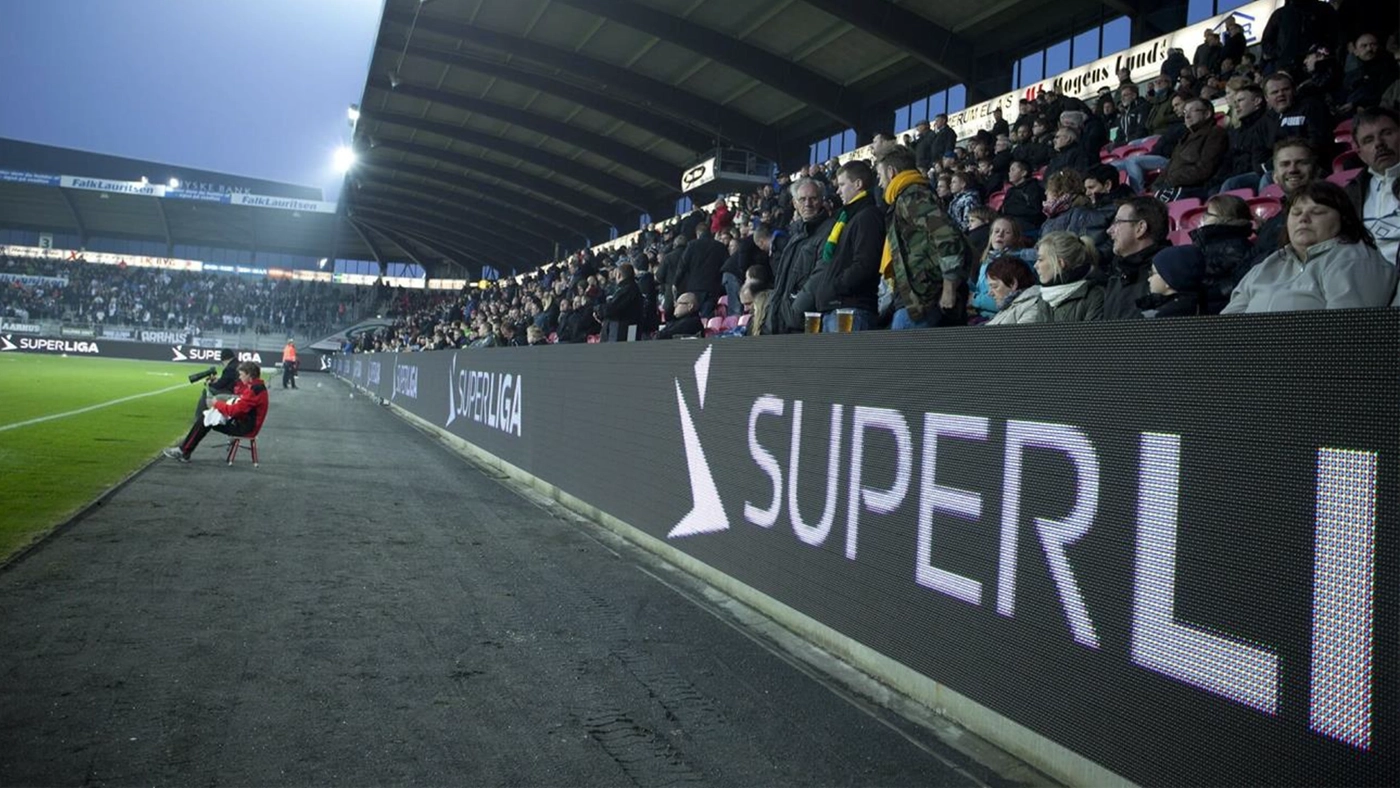
The inner ring LED screen in a stadium, often called a 360° Ribbon Board or LED Perimeter Board, is a crucial element for the modern fan experience. It's the long, narrow screen that runs around the inner circumference of the stadium, just above the field or court level.

Advantages and Value

Enhance the viewing experience: Real time playback, slow motion, and multi angle shots ensure that the audience does not miss any exciting moments.

Creating an atmosphere on site: Playing audience footage, interactive games, and cheering slogans greatly mobilize the emotions on site.

Important information release: display scores, time, player data, match announcements, etc.

Powerful advertising platform: providing valuable brand exposure opportunities for event organizers and sponsors.

Venue revenue: Renting advertising space on the screen itself is an important source of income.

Multi functional use: In addition to sports competitions, it can also be used for concerts, large-scale events, etc., expanding the functionality of the venue.

RIBBON DISPLAY CABINET SIZE AND FEATURE DESIGN

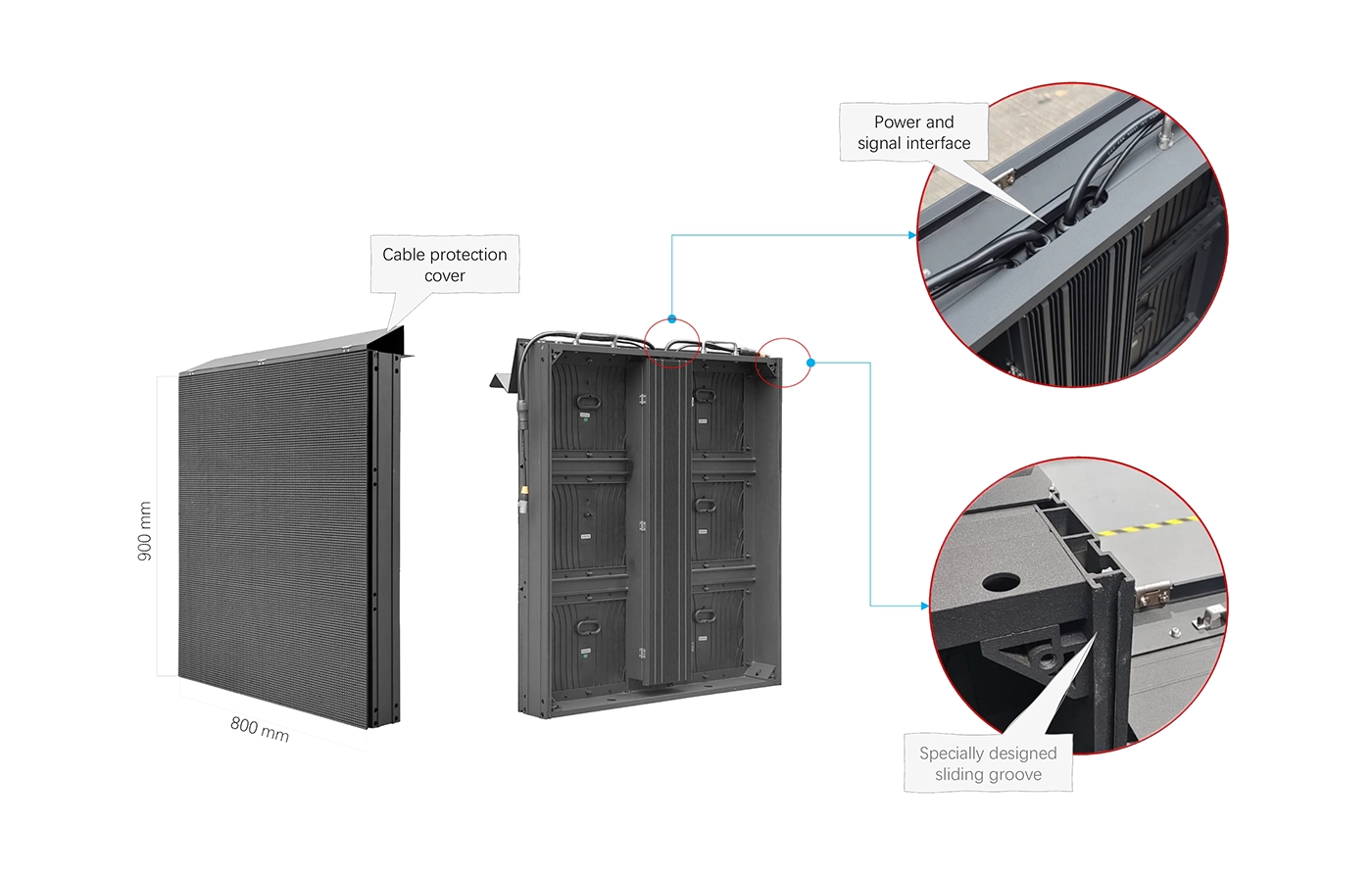
360° Continuous: A seamless ring that provides a unified canvas for animations and videos. Segmented: Multiple straight sections that form a ring, often easier to install in older stadiums. Placed just above the field-level seats to ensure maximum visibility for almost all attendees. Technical Specifications: Pixel Pitch: This is the distance between the centers of two adjacent pixels (e.g., P6, P10). For ribbon boards, a wider pitch (P6-P10) is common because they are viewed from a distance. The focus is on brightness and reliability rather than ultra-high resolution. Brightness: Must be extremely high (typically 6,000+ nits) to remain clearly visible under direct sunlight and stadium lights. Refresh Rate: High refresh rates (≥ 3840 Hz) are essential to prevent flickering when viewed through broadcast cameras or smartphone cameras. Viewing Angle: A wide viewing angle (140°+ horizontally and vertically) ensures clarity for fans sitting at various heights and angles. Modular Design: The screens are built from modular panels, allowing for custom lengths and easy replacement if a section fails.

STADIUM LED DISPLAY SPECIFICATIONS

STADIUM LED DISPLAY SPECIFICATIONS
  Model No. GP-5 GP-6 GP-8 GP-10
  Pixel Pitch(mm) 5 6.25 8.33 10
  Pixel Density(dots/m²) 40,000 25,600 14,400 10,000
  LED Module Dimensions (mm) 400*300 400*300 400*300 400*300
  Cabinet Dimensions (mm) 800*900 800*900 800*900 800*900
  Cabinet Matrix(dots) 160*180 128*144 96*108 80*90
  Cabinet Weight(kg/cabinet) 23 23 23 23
  Color Processing(bit) 16 16 16 16
  Brightness(cd/m²) 5500 - 6000 5500 - 6000 5500 - 6000 5500 - 6000
  Max. Power Consumption(w/panel) 540 540 540 540
  Refresh Rate
3,840 Hz
 Contrast Ratio
10000:1
  Viewing Angle
160°/160°
  Operating Voltage
100-240V AC 50-60Hz
  Expected LED Lifetime (Max)
100,000 Hrs
  Servicing
Front
  IP Rating(Front/Rear)
IP66/IP65
  Cooling
Thermal nature ventilation
 

FAQS

Stadium LED displays are large, high-definition electronic screens specifically designed for use in sports venues. They are used to show live broadcast videos, replays, scores, statistical data, and sponsor advertisements. These displays have a high protection rating of IP65 to IP67, enabling them to withstand various outdoor conditions. They remain clearly visible even in bright sunlight, providing audiences with a dynamic and immersive viewing experience.

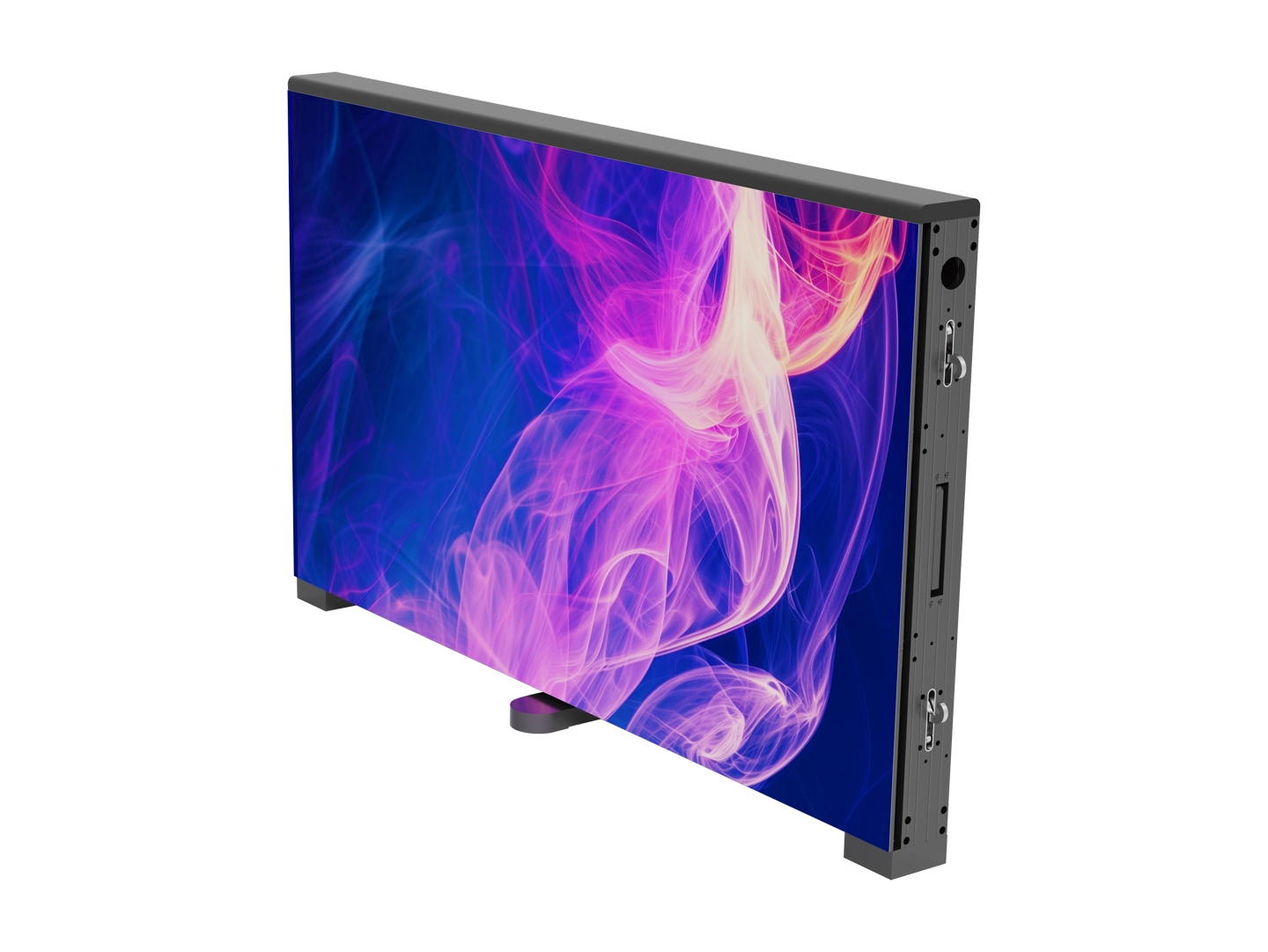
The Perimeter LED screen is a high brightness, full colour LED display designed specifically for pitch side advertising. Our LED Perimeter systems are IP65 rated making them suitable for outdoor use in all weather conditions and can be programmed and joined to create systems of any length.

Stadium LED displays primarily provide spectators with scores, live video, player statistics, and replays. They are often displayed in the form of continuous perimeter billboards, enhancing the fan experience and creating a modern, professional visual experience for the stadium.

Live scores, live video streams, and television programs.Player statistics, special moments, and fair refereeing information.Sponsor advertising, promotional content, and audience interaction information.


  • High brightness: To be visible in direct sunlight (outdoor screens) or controlled lighting (indoor screens). 
  • High refresh rate: Usually $3840$Hz or higher for smooth visuals, especially during live broadcasts and slow-motion replays. 
  • Wide viewing angle: To ensure visibility for most of the audience across the stadium. 
  • Weatherproof design: For outdoor screens, an IP65 rating is common to protect against rain, dust, and extreme temperatures. 
  • Real-time data integration: To sync with scoring systems and live feeds for instant updates. 


WHY CHOOSE US?

We have over 20 years of LED display development, manufacturing and engineering construction experience, to provide customers with quality products and services.

Interested in more info? Send us a note!

We’ll put you in touch with a member of our team to discuss your specific needs

CAPTCHA
This question is for testing whether or not you are a human visitor and to prevent automated spam submissions.

Select a Country or Region