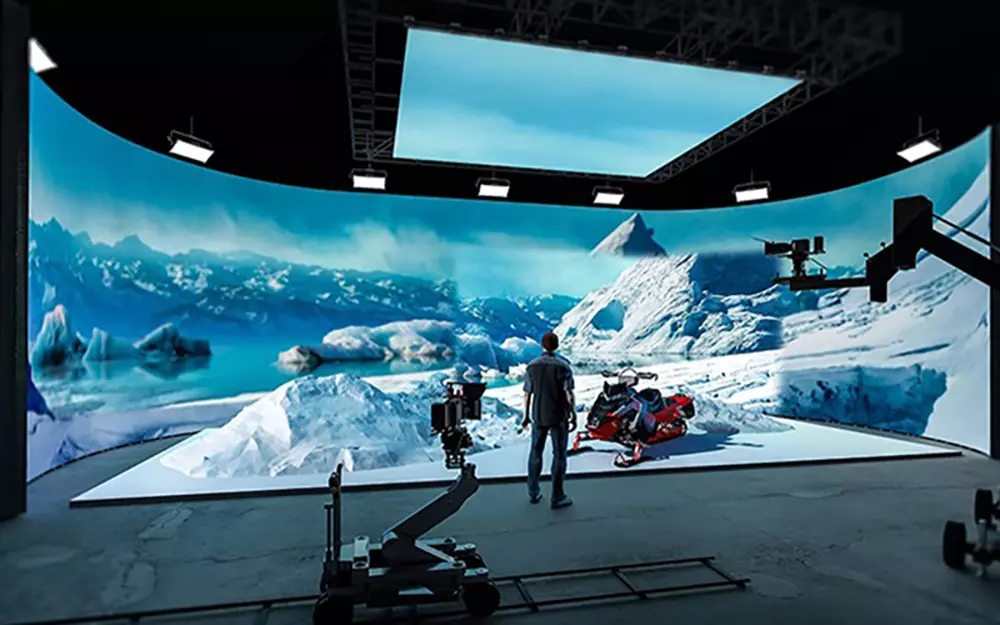
The result of increasing the refresh rate is decreasing LED screen flickering
If increasing the refresh rate will cause decreasing flickering on LED screens. However, of a refresh rate is specified that is beyond what is recommended for the LED screen, it will cause damage to the display.
Normally our LED screens of Kingly LED Screens have a refresh rate of over 1920Hz, which is more than 38 times the refresh rate of a normal cathode television which is 50Hz (PAL and SECAM) or 60Hz (NTSC). For football stadiums (stadium LED screens and perimeter LED screens) our LED screens can reach a refresh rate of over 3840Hz, which means that they won’t show any flickering when recorded with a video camera and broadcasted live on television.
KINGLYLED's sports and arenas solution comes with a 3840Hz high refresh rate, perfect for TV broadcast, camera shooting. Capture sports action in real-time competition without missing a frame. A wide viewing angle and high contrast design ensure that each audience enjoys the best competition.
The refresh rate for LED Displays is around 400 Hz minimum. But around this value, video cameras can capture a flickering image on the LED Displays. For flicker-free images, the refresh rate should be over 1000 Hz. On the latest LED screens, depending on screen size and scanning type, refresh rates as high as 9000 Hz are easily achievable. High refresh rates may seem to be good, but for high refresh rates, an LED screen processor will have to spend more time to draw the frame to the screen, so overall brightness can decrease. For high refresh rates, the led screen hardware should be capable of high frequencies. If not, there may be unwanted lines or shadows on the image.